
The UK guide to the Talaria Sting range, from the MX3 to the 72 volt MX5 Pro and the road legal L1e and L3e, and how UK law treats each.
Road Legal Talaria
Talaria Sting
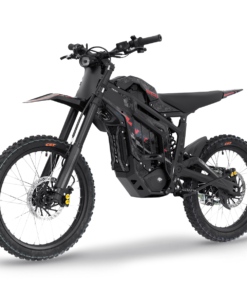
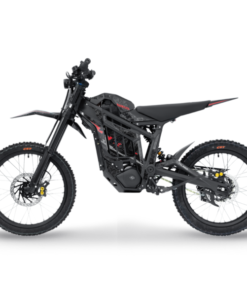
Talaria Sting
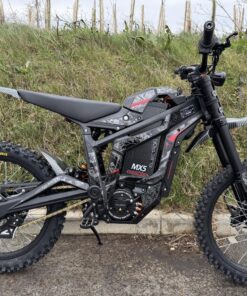
Talaria Sting
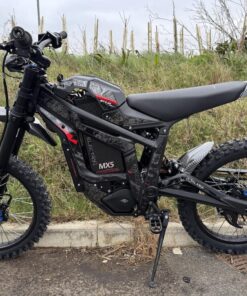
Talaria Sting
Talaria Sting
Talaria Sting
Talaria Sting
Road Legal Talaria
Talaria Sting
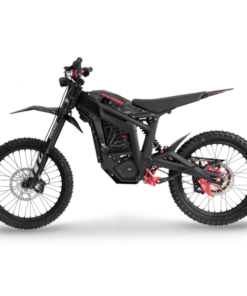
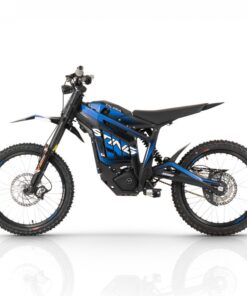
The Talaria Sting is the model that built Talaria's reputation, and the range in the grid above now covers five distinct platforms: the original MX3, the Sting R MX4 in three versions, the 72 volt MX5 Pro with its two Competizione builds, and two road legal machines homologated as L1e and L3e. This guide sets out what separates them, what they share, and how UK law treats each one, so you can pick the right bike first time.
How the Sting range is organised
Talaria uses model codes rather than model years to tell its Sting platforms apart, and once you know the codes the range stops looking crowded. MX3 is the original 60 volt bike with a permanent magnet synchronous motor and a 38.4Ah battery. MX4 is the Talaria Sting R: the same chassis dimensions with an interior permanent magnet motor, a 45Ah battery and larger brakes. MX5 Pro moves to 72 volts, a colour TFT dash and a reinforced gearbox built for the extra power.
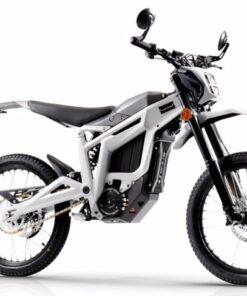
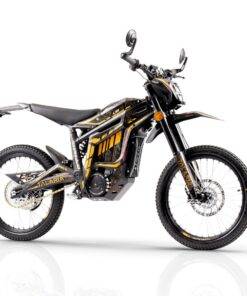
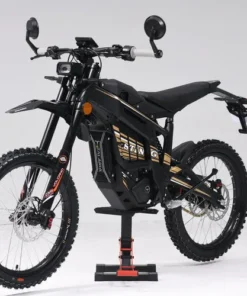
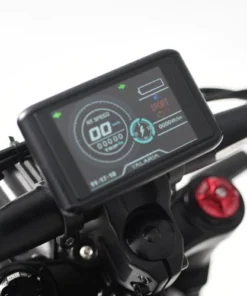
The road legal Talaria Sting models sit alongside those three. The L1e version is homologated as a moped class vehicle and is built on the MX3 drivetrain. The L3e version is homologated as a 125 equivalent motorcycle and uses Sting R hardware underneath. Both carry mirrors, indicators, a reactive brake light, a road legal headlight and a number plate holder from the factory, so nothing needs adding before you register them.
What every Sting shares
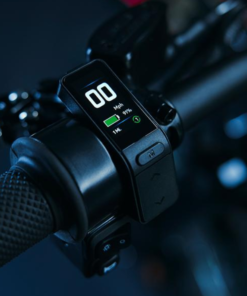
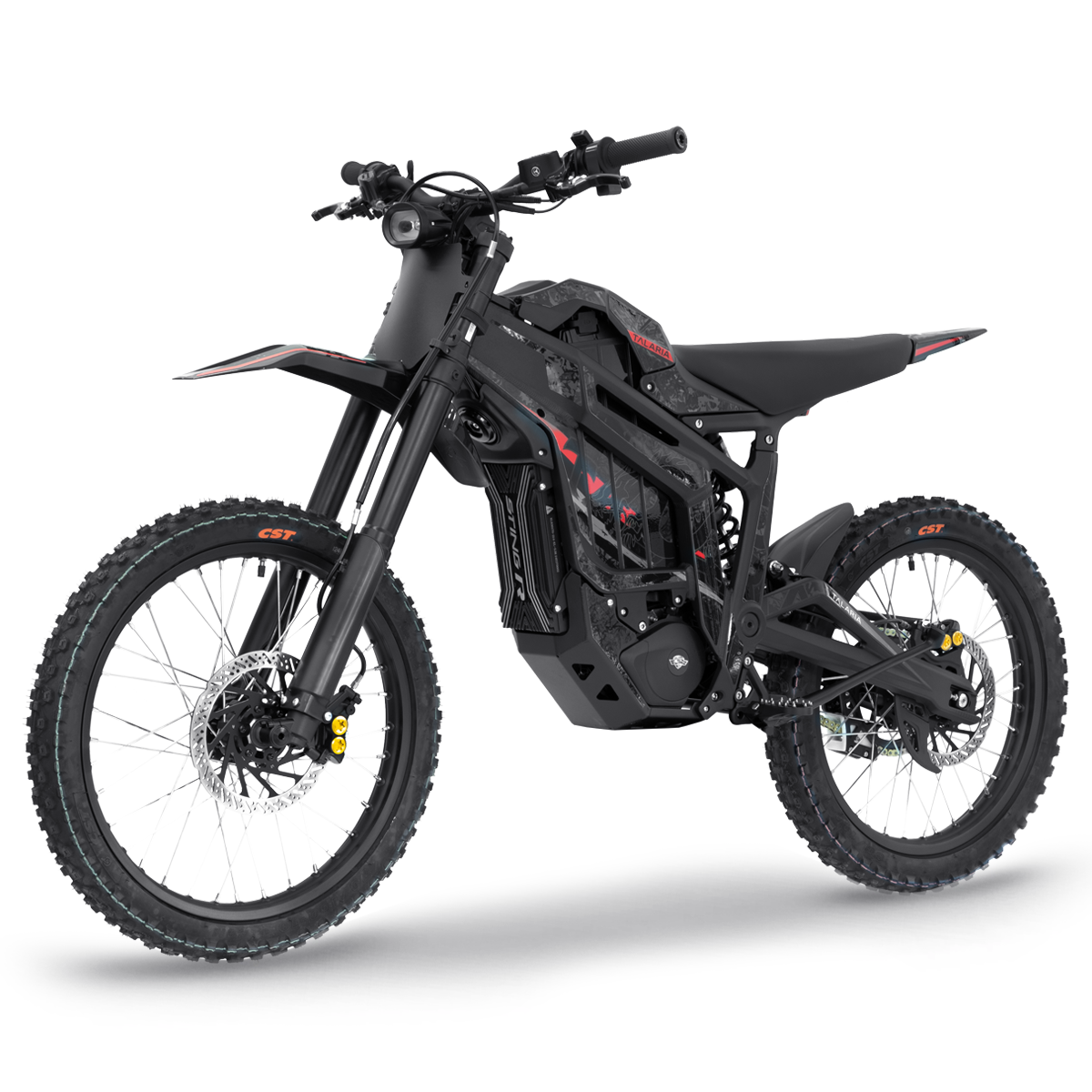
Whichever Talaria Sting code you choose, the fundamentals are constant. The frame and swingarm are forged from 6061 aluminium alloy under 6,000 tonnes of press force and then anodised. Primary drive is a sealed gearbox rather than a belt, with a chain final drive to a 44 or 48 tooth rear sprocket. Every model runs 19 inch spoked wheels at both ends, four piston hydraulic brakes, a swappable battery built from 21700 cells, and four levels of regenerative braking that you adjust from the handlebar display.
Seat height is 840mm across the standard bikes, the wheelbase is 1,250mm and the handlebar is 760mm wide, so a rider who fits one Talaria Sting fits them all. The differences are in power, battery chemistry, suspension and braking hardware, which is exactly what the matrix below is for.
Sting model matrix
The table gives the factory figures for each Talaria Sting platform. Top speed figures are for the off road versions. The L1e is speed limited by law, and the L3e is set up for tarmac rather than the track, so their columns describe the road spec rather than a racing number.
| Platform | Talaria Sting MX3 | Sting R MX4 | MX5 Pro | Sting L1e | Sting L3e |
|---|---|---|---|---|---|
| Battery | 60V 38.4Ah, LG 21700 cells | 60V 45Ah, LG 21700 cells | 72V 40Ah, Samsung 50S cells | 60V 38.4Ah, LG 21700 cells | 60V 45Ah, LG 21700 cells |
| Motor | PMSM, air cooled | IPM, air cooled | IPM, air cooled | PMSM, air cooled | IPM, air cooled |
| Rated and peak power | 3kW and 6kW | 4kW and 8kW | 5.5kW and 13.4kW | 3kW and 6kW | 3.5kW rated |
| Top speed | 75 km/h (47 mph) | 85 km/h (53 mph) | Highest of the standard bikes | Limited to 45 km/h | Road tuned |
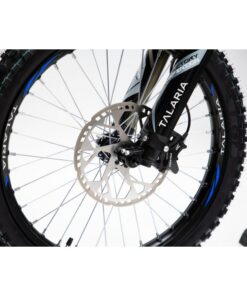
| Brakes | Four piston, 203mm discs | Four piston, 220mm discs | Four piston, 220mm x 3mm discs | Four piston hydraulic | Four piston hydraulic, larger discs |
| Display | OLED | OLED | Colour TFT | Large OLED | TFT |
| Ride modes | Eco and Sport | Eco and Sport | Eco, Sport and Hyper | Eco and Sport | Eco and Sport |
| Weight with battery | 58 kg | 66 kg | 76 kg | 58 kg | 71 kg |
| UK road status | Off road only | Off road only | Off road only | Road legal, moped class | Road legal, 125 equivalent |
Sting MX3: the entry point
The Talaria Sting MX3 is where most people's Talaria story starts. It carries the 60 volt 38.4Ah pack, which works out at roughly 2,280 watt hours, and drives through a 3kW nominal, 6kW peak permanent magnet synchronous motor. The factory quotes 34Nm at the motor shaft, which the gearbox and chain multiply to 284Nm at the rear wheel on the 44 tooth sprocket, or 309Nm on the 48 tooth. Top speed is 75 km/h and the quoted range is 100 km at a steady 32 km/h.
The 2024 revision brought an improved controller, black footpegs, black rims and spokes, a black sprocket and DNM suspension. It is the lightest full size Talaria Sting at 58 kg with the battery fitted, which matters more than the headline power figure when you are hauling the bike out of a rut. Charging from the supplied charger takes around three hours from empty.
Who the MX3 suits
Riders new to electric dirt bikes, younger riders on private land, and anyone who wants the Talaria Sting gearbox and frame without paying for the Sting R motor. It is also the platform that the widest choice of aftermarket parts was designed around, from KKE 21 and 18 inch wheel sets to Nucular controllers, so it grows with you rather than boxing you in.
Sting R MX4: Off Road, Standard and Expert
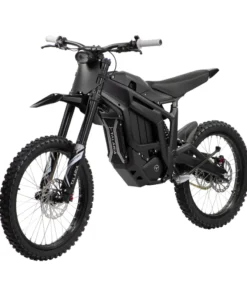
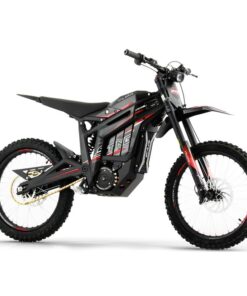
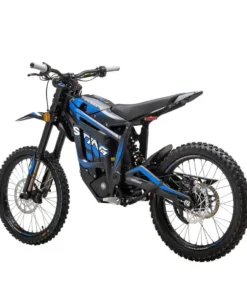
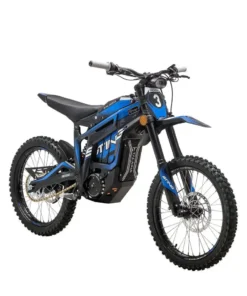
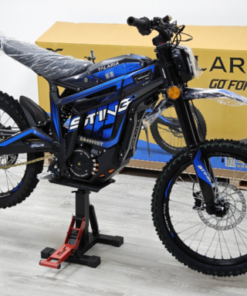
The Talaria Sting R is the bike most UK buyers mean when they say Talaria. The MX4 code brought an interior permanent magnet motor with a magnetic encoder in place of hall sensors, 4kW nominal and 8kW peak, 45Nm nominal torque, and a 45Ah battery that lifts stored energy to around 2,700 watt hours. Brakes moved up to 220mm discs with four piston calipers and uprated master cylinders, and a 125 amp circuit breaker replaced the original. Weight stayed at 66 kg.
Three Talaria Sting R versions sit in the range. The Sting R Off Road is the plain 8kW bike in Black and Blue or Dark Green, with Fastace or Talaria factory suspension and a rear disc guard. The Talaria Sting R MX4 is the same platform offered with a choice of the L1e street version or the MX off road version, in Black or Blue. Then there is the Expert.
Sting R MX4 Expert with the Manitou Dorado fork
The Sting R MX4 Expert answers the question of what the factory would do with a bigger parts budget. It adds a Manitou Dorado Expert inverted air fork with a 37mm chassis, Magura MT5 brakes on 220mm discs, a 10 percent peak power increase over the standard MX4 and a motor efficiency figure of 94 percent. Red anodised CNC parts cover the hubs, pegs, disc guard, axle blocks, linkage and sprocket, and the OLED display is the larger high contrast unit. Top speed rises to 55 mph and nominal torque to 50Nm.
If you are searching for a Talaria Sting R Pro, this is the closest thing in the range: the Expert is the highest specification Sting R that Talaria builds, and the Manitou fork alone is a significant step up from the stock unit. Buyers asking about the 2025 Talaria Sting R will find that the current Off Road and MX4 listings carry the latest factory revision, in the colours shown on each product page.
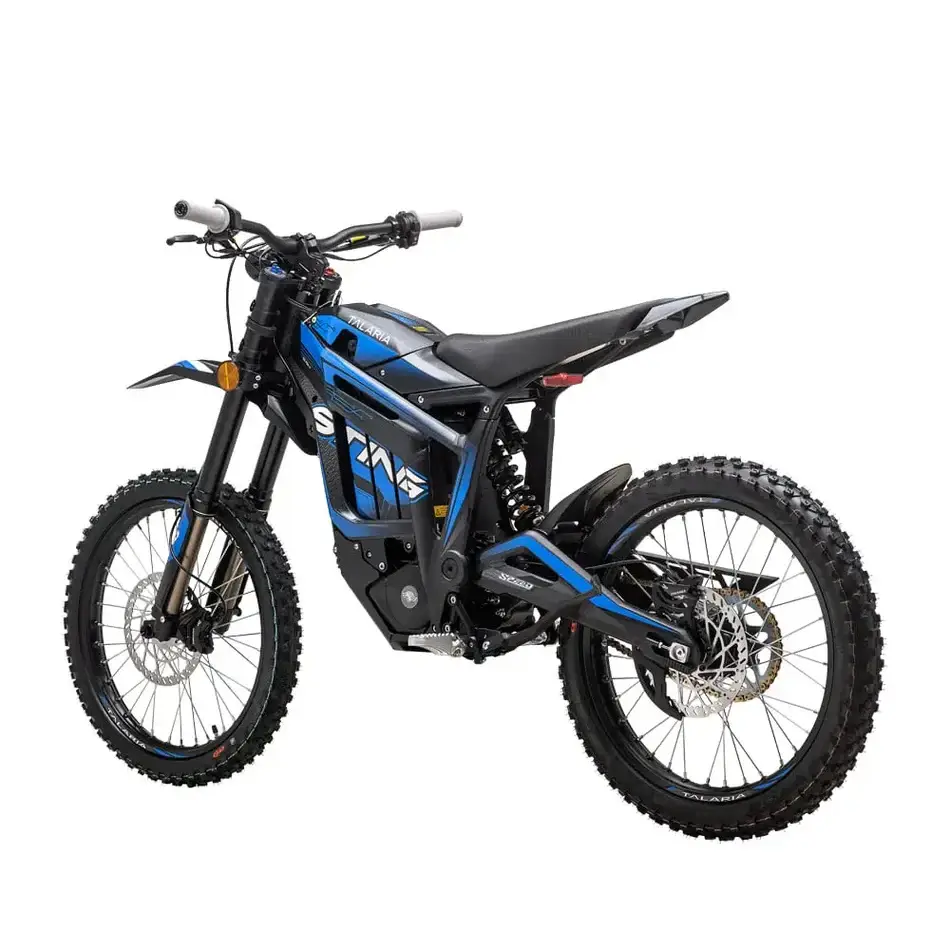
MX5 Pro and the Competizione builds
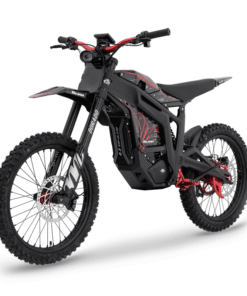
The Sting MX5 Pro is the point where the Talaria Sting stops being a large electric bicycle and starts behaving like a small motocross bike. Voltage rises to 72 volts with a 40Ah pack of Samsung 50S cells, 2,880 watt hours, feeding an IPM motor rated at 5.5kW with a 13.4kW peak. That is a 45 percent power increase over the 60 volt bikes. Rear wheel torque is quoted at 500Nm on the 48 tooth sprocket.
The rest of the bike was reworked to cope. The gearbox is internally reinforced, the chain is a 428 rather than a 420, the rear swingarm is stronger, the brake discs are 3mm thick with larger calipers and DOT fluid, and the wheels use straight pull spokes on CNC hubs. Suspension is an adjustable air and dual spring fork with 220mm of travel and a linkage rear shock with 85mm of travel. Three ride modes include Hyper, which is unique to the Talaria Sting Pro platform, and a regenerative brake lever joins the four level regen. Weight is 76 kg.
Competizione 45B and 50s
The two Competizione bikes are Talaria Sting MX5 Pro machines rebuilt in the UK around an EBMX X9000 V2 controller and a 22 series 81.4 volt battery of 220 cells, with carbon effect mudguards and hugger, a SW102 display running EBMX firmware, a thumb regen throttle and a matching 22 series charger. The Competizione 50s uses Samsung 50S cells for 4,060 watt hours and 21kW. The Competizione 45B swaps to Molicel P45B cells, which allow 23kW at the cost of around 10 percent of the range.
Both are tuned and locked by the builder with Road and Race modes, each with three power levels. Road mode prioritises top speed, around 70 mph depending on rider weight and tyres. Race mode caps speed at 60 mph and concentrates the available power on acceleration out of corners. These are off road competition Talaria Sting builds; the controller and battery changes mean they cannot be registered for the road, and the builder advises holding full throttle for no more than 60 seconds at a time in the top level.
Road legal Sting: L1e and L3e in the UK
Two Talaria Sting models can be registered, insured and ridden on public roads in the UK. They are built to the L category vehicle classes set out in Regulation 168/2013, which the UK retained after leaving the EU, and they arrive with the road equipment already fitted and type approved.
Sting L1e: the moped class Sting
The Talaria Sting Road Legal L1e is homologated in the L1e category as a two wheel moped. Speed is limited to 45 km/h, which is what makes it ridable at 16. You need a CBT certificate, a provisional licence, registration with a number plate, insurance and an approved helmet. The bike itself uses the MX3 drivetrain: 60 volt 38.4Ah battery, 3kW nominal and 6kW peak, 58 kg, with a larger OLED screen, mirrors, indicators, a reactive brake light and a tail tidy plate holder. It is finished in Gold. Read the GOV.UK moped and motorcycle rules before you buy.
Sting L3e: the 125 equivalent
The Talaria Sting L3e Road Legal is homologated in the L3e category, A1 sub class, which is the 125cc equivalent. That means age 17 with a CBT, or a full A1, A2 or A licence, plus registration, insurance and an MOT when it falls due. Under the bodywork it is a Sting R: IPM motor rated at 3.5kW, 45Ah battery, 375Nm at the rear wheel, 71 kg with the 14 kg battery, Eco and Sport modes, a TFT dash and CST tyres chosen for tarmac. Colours are Grey, Black and Blue, or Black and Yellow. See the CBT guidance on GOV.UK for what the training covers.
The off road Talaria Sting models, meaning the MX3, every Sting R and the MX5 Pro, cannot be used on public roads, byways, bridleways, footpaths or pavements. Private land with the landowner's permission is the only lawful place to ride them. Our guide to Talaria legality in the UK goes through the detail, including what happens if you are stopped.
Choosing your Talaria Sting
Choosing a Talaria Sting starts with where you will ride, because that settles road legal or off road before anything else. Then work through weight, power and budget in that order. Here is how the decision usually falls once riders have sat on a few.
- First electric dirt bike, private land: the Sting MX3. It is the lightest, the cheapest to run and the parts catalogue is deepest.
- Experienced rider who wants the mainstream choice: the Sting R Off Road or MX4. The Sting R is the bike that the community, the tuners and the accessory makers all build around.
- Suspension matters more than anything: the Sting R MX4 Expert. The Manitou fork and Magura brakes change how the bike feels on rough ground.
- Maximum standard performance: the Sting MX5 Pro, with 72 volts, Hyper mode and moto grade brakes.
- Competition use, no compromise: Competizione 50s for range, Competizione 45B for outright power.
- Commuting or lanes at 16: the Sting L1e.
- Road riding at 17 or on a full licence: the Sting L3e.
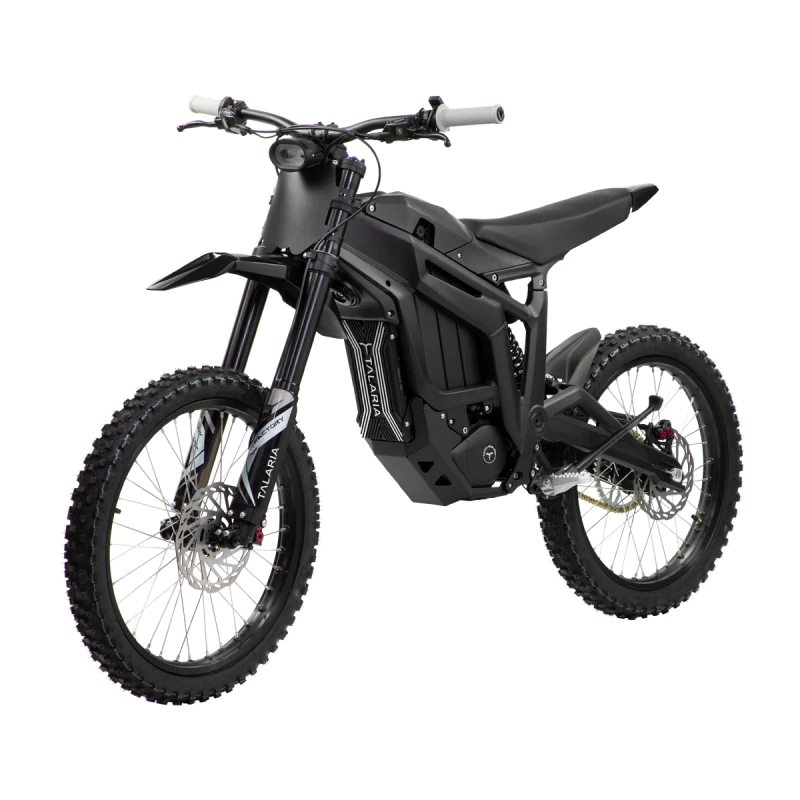
Rider size is rarely the deciding factor because every Talaria Sting shares the same 840mm seat height and 1,250mm wheelbase. Weight is: 58 kg, 66 kg and 76 kg feel very different when you are lifting a bike over a fallen tree or loading it into a van on your own. Ride the lighter bike if you are unsure, because a bike you can manage is a bike you ride more often.
The Sting R versus MX5 comparison and the Sting R top speed article go deeper on the two most popular platforms. If you are weighing a Talaria Sting against a Surron, the Talaria versus Surron guide covers the gearbox versus belt question in full and explains why the two bikes attract different riders.
Living with a Sting: charging, service and parts
A Talaria Sting needs less attention than a petrol bike, but not none. The gearbox holds oil and wants changing on the schedule in the manual; our oil change guide walks through it step by step. Chains stretch, sprockets wear and brake pads need checking after muddy rides, exactly as they do on any motorcycle. Spoke tension deserves a check after the first few rides on a new bike.
Charging and batteries
The 60 volt Talaria Sting models charge from the supplied charger in around three to three and a half hours from empty. The battery lifts out with the key and a connector, so a second pack doubles your riding day. Store lithium packs part charged in a dry place above freezing, and never charge a pack that has been submerged or dropped hard until it has been inspected. When a pack reaches the end of its life, the GOV.UK battery disposal guidance explains your options.
Parts, warranty and finance
Everything in our Talaria parts range is organised by system. Replacement motors, OEM chargers, the Sting R display and rims sit alongside upgrade parts such as the Manitou Dorado forks and controller kits. Spare batteries and chargers have their own batteries and chargers category. Every bike is covered by our UK warranty, full terms on the warranty page, with UK mainland delivery and timescales confirmed at checkout. Spreading the cost is possible through our Talaria finance page.
Frequently asked questions
Is it Talaria Stin or Talaria Sting?
The model is the Sting, with a g on the end. "Talaria Stin" is a common typo in searches and on marketplace listings, so if you see it on a used bike advert it almost always means a Sting MX3 or a Sting R. Check the model code on the frame or the display boot screen to be certain which platform you are looking at before you travel to view it.
What is the difference between the Talaria Sting and the Sting R?
The Sting MX3 has a permanent magnet synchronous motor, a 38.4Ah battery, 6kW peak and 203mm discs. The Sting R MX4 has an interior permanent magnet motor with a magnetic encoder, a 45Ah battery, 8kW peak, 220mm discs and uprated calipers. Both share the frame, gearbox, 19 inch wheels and 840mm seat height, so they feel very similar to sit on and the difference shows once you open the throttle.
Which Sting is road legal in the UK?
Only the L1e and L3e versions. The L1e is a 45 km/h moped class vehicle for riders aged 16 and over with a CBT. The L3e is a 125 equivalent for riders aged 17 and over with a CBT, or holders of an A1, A2 or A licence. Both need registration, a number plate, insurance and an approved helmet. No MX, R, Pro or Competizione bike can be registered for the road.
Does the Sting use a belt?
No. Every Talaria Sting uses a sealed gearbox for the primary drive and a chain for the final drive. The gearbox is quieter than a belt and does not stretch, slip or snap, though it does hold oil that needs periodic changing. This is the main mechanical difference between a Sting and a Surron Light Bee, and it is the reason many riders choose Talaria.
How far does a Sting go on a charge?
The factory figures are 100 km at 32 km/h for the MX3, 120 km at 25 km/h for the Sting R and 100 km at 25 km/h for the MX5 Pro. Real riding on rough ground uses far more energy, so treat those as ceilings rather than expectations. Our range guide explains what to expect from mixed trail riding and how regen and ride mode change the result.
Can I fit a 72 volt battery to a 60 volt Sting?
Not on the stock controller. A 72 volt pack needs a controller rated for it, such as the EBMX X9000 kit, and a matching 72 volt charger. That conversion also removes any possibility of the bike being registered for the road, and the extra power puts more heat through the motor, so it belongs on a dedicated off road bike that is ridden on and off the throttle rather than held wide open.
Next steps
Choose your Talaria Sting from the grid above, or start with the two bikes that cover most riders: the Sting R Off Road for private land and the Sting L1e for the road. If you would rather talk it through first, contact our team and tell us where and how you plan to ride; we will point you at the right platform.