
Replacement Motor PMSM Sting MX3
£500.00
The genuine PMSM replacement Talaria MX3 motor explained: what the design does, factory figures, PMSM against IPM, compatibility, weak points and a hall sensor swap walkthrough.
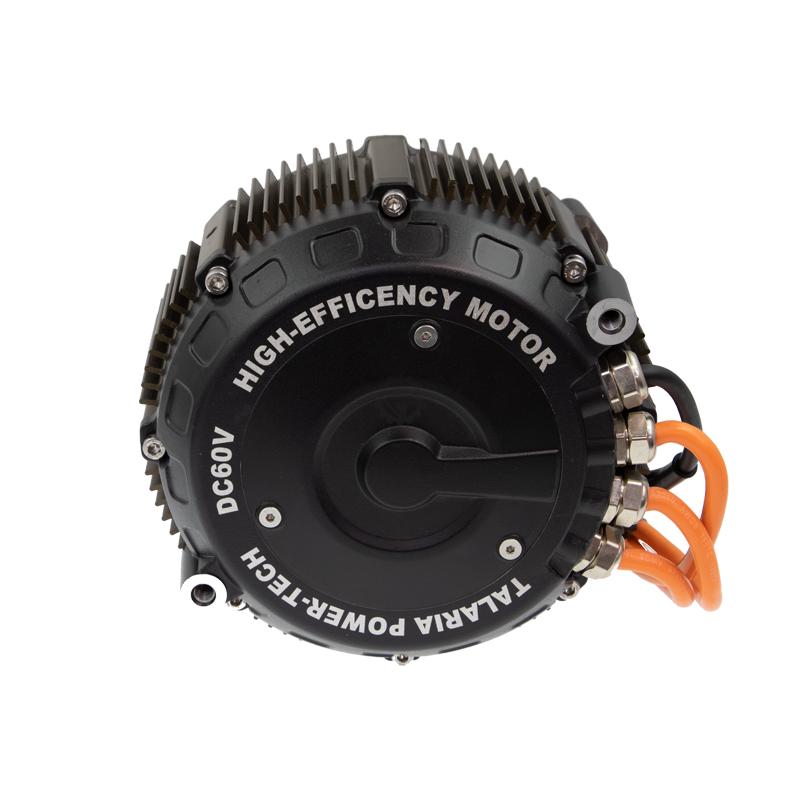
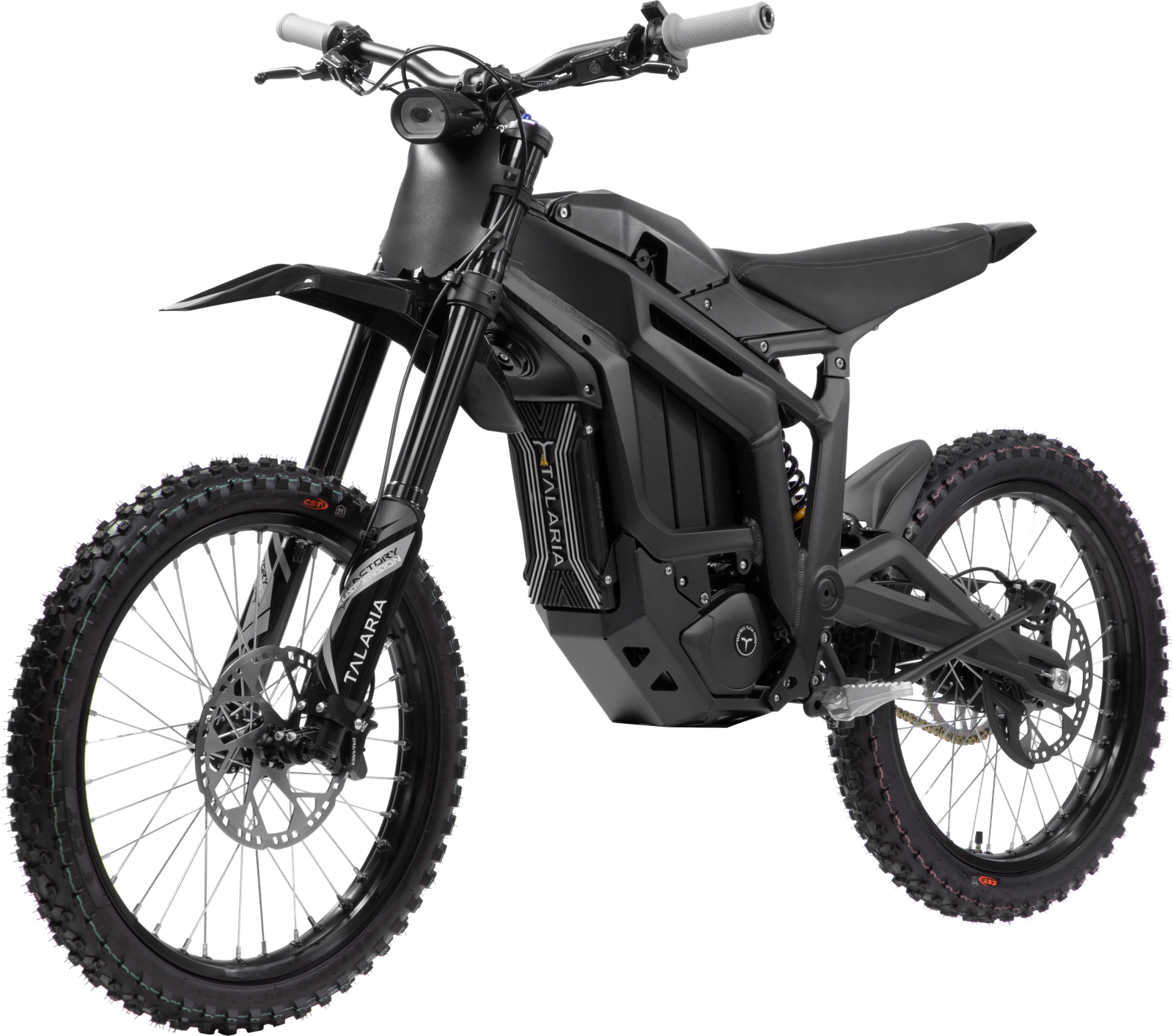
Every Talaria MX3 motor that left the factory was a permanent magnet synchronous unit, mid mounted, air cooled and driving the Sting’s gearbox directly, and this is the genuine replacement for it. If you own a Sting MX3, a TL3000 or an L1e built on the MX3 platform and the motor has finally given up, this page explains what the PMSM design is, why it behaves the way it does, how it compares to the later IPM unit, and how to fit and look after the new one so it outlasts the first.
The motor behind the Sting’s reputation
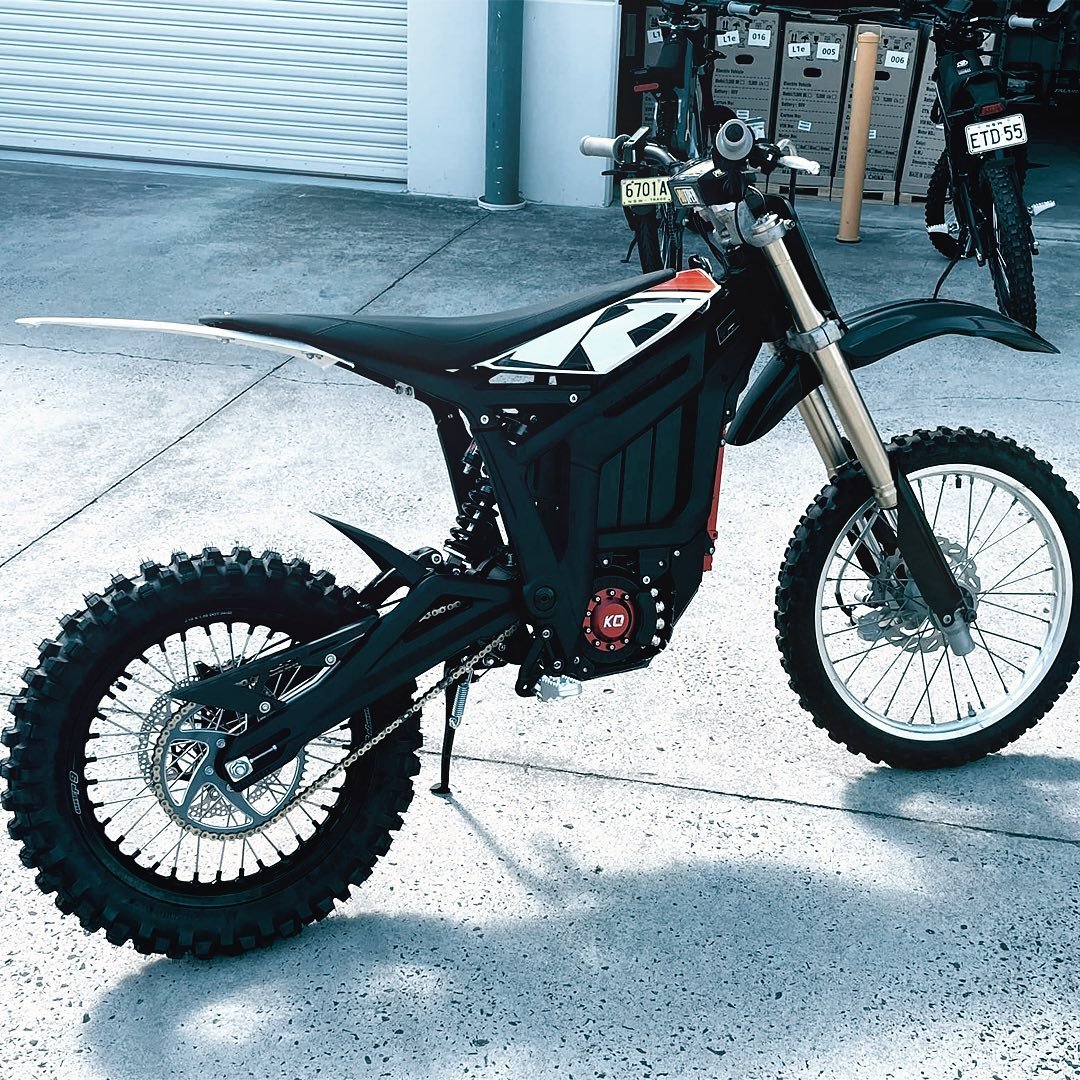
Before the Sting R, before the XXX and the MX5, there was the Sting, and the Sting was defined by three decisions: a forged aluminium frame, a gearbox instead of a belt, and a 3000W permanent magnet synchronous motor in the middle of it all. The gearbox is what made the bike quiet and the Talaria MX3 motor is what made it quick. Talaria rated the unit at 6000W peak and 34 Nm of shaft torque, and through the primary reduction that becomes a rear wheel torque of 284 Nm with the 44 tooth sprocket or 309 Nm with the 48 tooth.
The 2024 MX3 kept the same motor and improved the parts around it: a revised controller, DNM suspension, black rims and spokes, and a larger 38.4Ah battery. So a replacement Talaria MX3 motor covers a wide span of bikes, from early TL3000 machines to the current MX3 and the Sting L1e derived from it. That breadth is the reason we keep this unit in stock alongside the newer IPM motor rather than treating the older bikes as obsolete.
PMSM in plain terms
The Talaria MX3 motor is a permanent magnet synchronous unit, with magnets fixed to the outside of the rotor and three sets of copper windings in the stator around it. The controller energises the windings in sequence to create a magnetic field that rotates, and the rotor follows it in lockstep. Synchronous means exactly that: rotor speed and field speed are the same, with no slip.
Surface magnets and what they give you
With the magnets on the rotor surface, sitting as close to the stator as possible, the Talaria MX3 motor produces strong, linear torque from a standstill and responds instantly to throttle. That immediacy is a big part of why the original Sting felt so lively off the line and why riders coming from petrol bikes were surprised by it. The design is simple to manufacture and simple to understand, which also keeps the replacement cost sensible.
Hall sensors and field oriented control
To keep the field and the rotor aligned, the controller needs to know where the rotor is. The Talaria MX3 motor uses three hall sensors mounted inside the casing. Each one switches as a magnet passes, and together they give the controller six rotor positions per electrical cycle. The factory FOC controller, 2 kg and rated at 92 percent peak efficiency, uses those signals to calculate the field angle and drive the phases. It is a mature, well understood arrangement, and the sensors are the one part of it that needs respect.
Why the gearbox matters to the motor
Because the Talaria MX3 motor drives a gearbox rather than a belt, it runs at higher speed and lower torque than a direct drive unit would. That keeps current and heat down for a given road speed. It also means the motor shares a housing face with the gearbox and its oil, so a motor swap always involves draining and refilling the gearbox, and a leaking seal at that face contaminates both.
Talaria MX3 motor figures from the factory sheet
These figures come from Talaria’s specification for the Sting MX3 and they apply to this replacement Talaria MX3 motor because it is the same production part.
- Motor type: PMSM, permanent magnet synchronous motor
- Mounting: middle of the frame
- Nominal voltage: 60V DC
- Nominal power: 3000W
- Peak power: 6000W
- Nominal torque: 5.7 Nm or more; peak torque: 34 Nm
- Torque at the rear wheel: 284 Nm with the 44T sprocket, 309 Nm with the 48T
- External diameter: 180mm; axial length: 120mm
- Weight: 7.0 kg
- Peak efficiency: 92 percent
- Cooling: air cooled
- Maximum speed on the bike: 75 km/h, or 47 mph
The PMSM motor Talaria Sting owners know is a compact unit, and the 120mm axial length is worth noting if you are comparing it with anything aftermarket, because the frame and gearbox positions are fixed around it. Our Talaria Sting MX3 page carries the full bike specification if you want the battery, controller and chassis figures alongside these.
Stay with PMSM or move to IPM?
This is the question most owners ask when the Talaria MX3 motor fails, so here is an honest answer from the older bike’s point of view. The IPM unit from the Sting R is a better motor. It is not a better purchase for every MX3, because it cannot talk to the MX3 controller.
| Question | Talaria MX3 motor (this PMSM unit) | Sting R MX4 motor (IPM unit) |
|---|---|---|
| Fits the MX3 controller and harness? | Yes, plug in with the existing hall sensor harness | No, needs an encoder ready controller |
| What else you must buy for an MX3 | Gearbox oil and a seal | Controller, oil, seal, possibly display and harness |
| Power, nominal and peak | 3000W and 6000W | 4000W and 8000W |
| Peak shaft torque | 34 Nm | 45 Nm |
| Magnet arrangement | Surface mounted, bonded | Inside the rotor laminations |
| Rotor sensing | Three hall sensors | Magnetic encoder |
| Peak efficiency quoted | 92 percent | 94 percent |
| Size and weight | 180mm by 120mm, 7.0 kg | 180mm, 7.0 kg |
| Keeps a road registered L1e at its approved spec? | Yes | No, output changes |
| Best for | Restoring an MX3 or Sting L1e exactly as built | A full powertrain conversion on an off road bike |
If your bike is an off road MX3 and you were planning a controller upgrade anyway, the conversion route is worth a conversation, and the IPM replacement motor for the Sting MX4 page explains that motor in depth. For everyone else, the like for like Talaria MX3 motor gets the bike back to exactly how it rode when new for the least money and the least work.
Compatibility and what to check before ordering
This Talaria MX3 motor suits any bike built on the MX3 platform with a hall sensor controller. That covers the original Sting TL3000, the 2024 Sting MX3 in every colour, and the Sting L1e road legal model that shares the MX3 powertrain. It does not suit the Sting R MX4, the XXX or the MX5, which all use encoder based motors.
Three quick checks
- Find the sensor lead leaving the Talaria MX3 motor. A bundle of thin signal wires ending in a multi pin plug is a hall sensor harness, which is what this motor uses.
- Check the brakes and display. An MX3 has two piston callipers and a basic LCD; a Sting R has 220mm discs with four piston callipers and an OLED display.
- Look at the frame sticker or your registration document. An L1e registered Sting built on the MX3 platform must go back to this motor to stay as approved.
If your bike has had a controller change in the past, tell us which one when you order. Some aftermarket controllers support both hall sensors and encoders and some do not, and a five minute check now saves a return later. If you would rather have the whole assembly, the complete OEM motor for the Sting is supplied fully built and terminated.
Known weak points and how to protect the new unit
Being straightforward about the first generation Talaria MX3 motor helps you get a long life out of its replacement. The two failure modes that accounted for most dead Sting motors are magnet problems and hall sensor problems, and both are heat driven.
Magnets
Surface mounted magnets are bonded to the rotor. Sustained high temperature weakens both the bond and the magnet material, so a motor that is repeatedly run very hot can shed a magnet or lose pull. The protection is simple: keep the Talaria MX3 motor within its 3000W nominal rating for sustained work, avoid long slow crawls under full load in hot weather, and do not feed it an aftermarket controller set to far more phase current than the factory unit supplies.
Hall sensors
The three sensors and their leads live inside the same hot casing. A sensor that fails, or a lead that chafes on the swingarm, produces stuttering, cut outs or a refusal to start. Route the harness carefully, secure it away from the rear tyre, and inspect the connector after every wash. On a new Talaria MX3 motor the sensors are fresh, so the harness routing is the part you control.
Water and seals
The remaining cause of a dead Talaria MX3 motor is water. A pressure washer aimed at the motor seals, or a deep river crossing, pushes water past the lips and into the windings and bearings. Rinse at low pressure, let the bike dry before storage, and check the gearbox oil for a milky tint after any wet ride.
Swap walkthrough with hall sensor specifics
Allow an afternoon to swap a Talaria MX3 motor, work on a stand, and remove the battery before touching a phase lead. Bag the fasteners as they come off. The sequence below is the same as any mid mounted Sting motor, with the sensor steps that matter on a PMSM unit called out.
- Drain the gearbox oil into a clean tray and inspect it for metal before discarding it.
- Photograph the phase leads at the controller, then disconnect them and the hall sensor plug. Label the three phases if the colours are faded.
- Slacken the chain, lift it off the output sprocket and support the swingarm.
- Unbolt the old Talaria MX3 motor from the gearbox housing and frame mounts and lift it clear. Handle the new motor by its casing, not its leads.
- Clean the gearbox face, fit a new seal or gasket, offer the new motor up and start every bolt by hand before tightening in a cross pattern with a calibrated torque wrench to the values in your Talaria documentation.
- Reconnect the phases in the photographed order, then the hall sensor plug. Route the harness with gentle bends and secure it away from the swingarm pivot.
- Refill the gearbox to the correct level, refit and tension the chain, refit the battery and power up.
Before riding, lift the rear wheel and apply a little throttle. A PMSM motor with a swapped phase pair or a mis seated sensor plug will judder, run backwards or fault immediately on the display. Correct it on the stand, never on the road or trail. The first few miles should be gentle, and the gearbox oil deserves an early change as the new pairing beds in. The motor is covered by our UK warranty, full terms on the warranty page.
Keeping the motor healthy
A Talaria MX3 motor that is kept cool, dry and correctly connected lasts a long time, and the maintenance that achieves that is light.
- Change the gearbox oil on the interval in our Talaria oil change guide, and sooner after wet rides.
- Check the phase connectors and the hall sensor plug after every wash and at every oil change.
- Give the Talaria MX3 motor airflow. It is air cooled, so a fast trail cools it better than a slow, steep crawl under full throttle.
- Keep the chain tensioned correctly. A slack chain snatches at the output and loads the gearbox and motor bearings.
Where you ride matters as much as how. An off road MX3 is for private land with the landowner’s permission, and cannot be used on public roads, byways, bridleways, footpaths or pavements. The Trail Riders Fellowship explains which green lanes are lawfully open to registered vehicles, and the Auto Cycle Union is the route into organised off road competition. A Sting L1e must stay registered and insured as built; the government’s vehicle registration guidance covers the obligations that come with a registered moped class vehicle. Browse the road legal Talaria range if you are choosing between the two.
Frequently asked questions
What does PMSM mean on the Talaria MX3 motor?
Permanent magnet synchronous motor. The magnets are bonded to the rotor surface and the rotor turns in step with the rotating field the controller creates in the stator. Rotor position comes from three hall sensors. It is the motor fitted to the original Sting, the 2024 MX3 and the Sting L1e built on that platform.
Is this motor the same as the one in my Sting when it was new?
Yes. It is the genuine Talaria MX3 motor with the same 3000W nominal and 6000W peak rating, 34 Nm peak torque, 180mm by 120mm casing and 7.0 kg weight. It connects to the existing hall sensor harness and controller, so the bike returns to exactly the specification it was built and, for an L1e, registered to.
Can I fit the Sting R IPM motor to my MX3 instead?
Only as part of a controller conversion. The controller that runs a Talaria MX3 motor reads hall sensors and the IPM motor uses a magnetic encoder, so they cannot work together. On an off road bike that is a legitimate project; on a road registered L1e it changes the approved vehicle. Talk to us before ordering either part for a conversion.
Why did the original motor fail?
The most common causes on first generation Sting motors are heat related magnet damage, hall sensor failure or a chafed sensor lead, and water ingress past the seals. Diagnose before replacing: check the phase connectors, the sensor plug and the harness routing, and drain a little gearbox oil to look for metal or a milky tint.
Does the replacement come with gearbox oil or a seal?
No. This listing is the bare motor. You will need fresh gearbox oil to refill after the swap and a new seal or gasket for the face where the motor meets the gearbox. Reusing the old seal is the usual reason for an oil weep a week after fitting.
Will a new motor change the top speed of my Sting?
No. A like for like Talaria MX3 motor restores the factory performance, which Talaria quotes as 75 km/h or 47 mph for the off road MX3. A Sting L1e remains limited to 45 km/h as required for its moped class. If the old motor had lost magnet strength the bike will feel livelier, but that is recovery, not an increase.
Next steps
Add the Talaria MX3 motor to your basket with your bike model and year in the order notes, and mention any controller change the bike has had so we can confirm the hall sensor fit. UK mainland delivery, timescales confirmed at checkout. Bearings, seals, chargers and wheel sets for the same platform live in our Talaria parts range, and every current Sting model is listed in the Talaria Sting category.
Buying this from The Talaria UK
Our service promise as a UK Talaria specialist.
- Checked before it shipsEvery bike is unboxed, inspected, torqued, charged and test run in our workshop before the courier is booked. You get a machine that is ready to ride, not a crate and a leaflet.
- Packed to arrive intactBikes travel in their factory crate with the fragile parts protected, and we tell you exactly what to check before you sign for it.
- UK mainland deliveryShipped across the UK mainland, with options, costs and timescales confirmed at checkout and tracking sent on dispatch.
- Answers from people who ride theseAsk which model suits your weight, your ground or your licence and you get an answer from someone who has set these bikes up, not a script.
- Parts on the shelfWe stock the batteries, chargers, controllers, motors, forks and wheels for what we sell, so a repair or an upgrade is a stock check rather than a long wait.
- Covered after you buyEvery bike is covered by our UK warranty, with the period for this model shown on this page and in your order confirmation, and claims handled by the team that inspected it.
Questions before you order? Contact us, or read the delivery guide, the warranty terms and finance options.
Related products
Talaria Batteries and Chargers
Talaria Parts
Talaria Parts
Talaria Parts
Talaria Parts
Talaria Batteries and Chargers
Talaria Parts
Talaria Parts