
Complete OEM Motor for Sting
Original price was: £650.00.£500.00Current price is: £500.00.
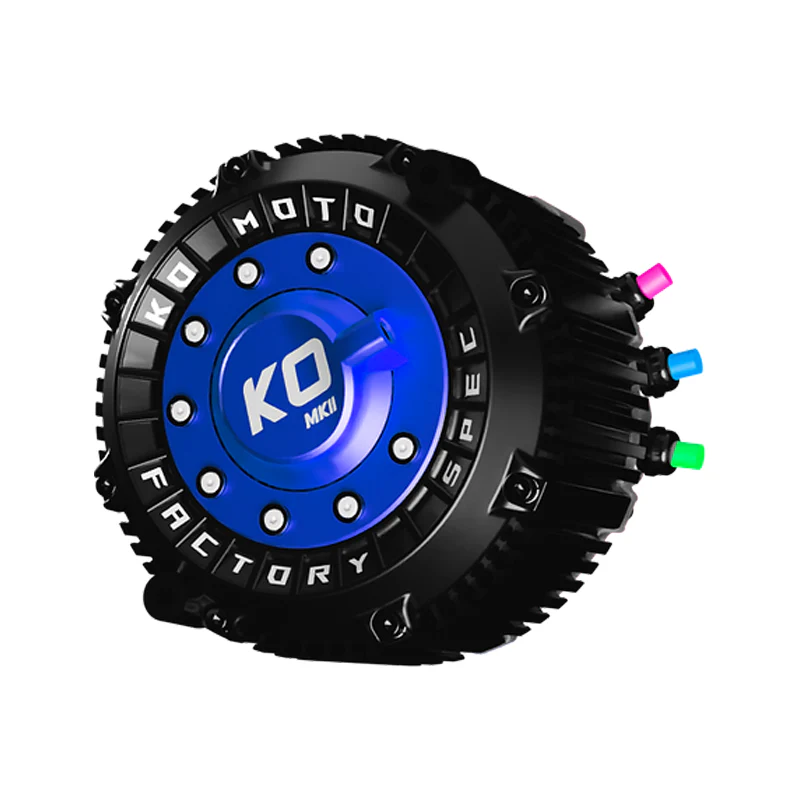
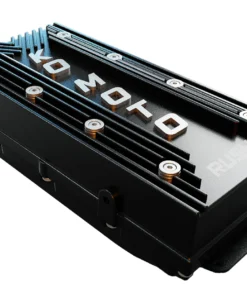
A complete, factory sealed OEM Talaria Sting motor with the higher KV wind, European magnets and laser etched finish, supplied as a like for like swap for your Sting.
A complete OEM Talaria Sting motor is the simplest way to put a tired or damaged Sting back on the trail exactly as it left the factory. This is the whole assembled unit, wound to the factory’s higher KV specification, built around magnets imported from Europe and finished in the laser etched Talaria colour set, supplied by The Talaria UK as a like for like swap for the mid mounted motor in the Sting family.
What “complete” means on this listing
Most replacement motor listings sell you a bare motor: the stator, rotor and housing, with nothing else attached. The complete OEM Talaria Sting motor is different. It arrives as a fully assembled, factory sealed unit ready to be bolted straight into the frame, with the output side prepared for the Sting gearbox and the phase and sensor leads already terminated. You are not sourcing bearings, seals or covers separately and you are not transferring parts across from the old motor.
That matters when the old Talaria Sting motor has failed badly. A motor that has shed a magnet or taken in water usually damages the parts you would otherwise reuse: bearings pick up debris, the housing scores and the sensor board cooks. Buying the whole assembly removes that risk, because everything inside the casing is new and matched.
What is in the box
- One complete Talaria Sting motor assembly, factory wound and factory sealed
- Output side prepared for the Sting primary gearbox
- Phase leads and sensor harness terminated with the OEM connectors
- Laser etched Talaria colour set casing with the factory finish
Mounting hardware is reused from the bike; replace any corroded or stretched bolts with the same grade and length. Gearbox oil is not included and must be refilled after the swap.
The factory specification, decoded
The listing describes three things: a higher KV wind, magnets imported from Europe, and a unique colour set with laser etching and a high quality finish. Each phrase has a practical meaning for how the Talaria Sting motor rides.
Higher KV wind
KV describes how many revolutions per minute a motor turns for each volt applied with no load. A higher KV wind uses fewer turns of thicker copper per phase, which lowers resistance and lets the Talaria Sting motor spin faster at the same 60V nominal system voltage. Through the Sting’s primary gearbox and chain final drive, that is what gives the factory motor its willingness to rev out on open ground.
The trade off is that a higher KV wind draws more current to make the same torque, so fit a Talaria replacement motor alongside a check of the phase connectors, controller output and battery contacts. A weak connection that a tired motor tolerated will show up as heat once the new unit pulls its full current.
Magnets imported from Europe
The permanent magnets are the most important component in a Talaria Sting motor. Their grade sets how much flux the rotor carries and how well they resist demagnetisation when hot. European sourced magnet stock is specified for its temperature rating and batch consistency, and since loose or demagnetised magnets were a common cause of failure on the original Sting, the magnet specification is not a cosmetic detail.
Laser etched colour set and finish
The casing carries the Talaria colour set with laser etched markings rather than stickers. Laser etching sits in the anodised surface, so it does not peel or lift when the motor is washed, and it makes a genuine Talaria Sting motor easy to distinguish from unbranded copies in a similar housing.
Which Sting it suits and how to check yours
The Sting has been built in more than one generation and the Talaria Sting motor is the part that changed most between them. The original Sting, often labelled MX3 or TL3000, used a PMSM motor with hall sensors and a 3000W nominal, 6000W peak rating. The Sting R MX4 moved to an interior permanent magnet design with a magnetic encoder and a 4000W nominal, 8000W peak rating. The Talaria XXX shares the Sting R motor.
The complete OEM Talaria Sting motor is supplied to match your generation, so tell us which model you have when you order. If you are not sure, these checks settle it in minutes.
Three ways to identify your generation
- Look at the sensor lead leaving the Talaria Sting motor. A hall sensor harness is a bundle of small signal wires; a magnetic encoder lead is a neater connector with fewer conductors.
- Check the display. The Sting R MX4 uses a high contrast OLED display that shows riding mode and regen level, while the original Sting has a simpler LCD.
- Check the brakes. Sting R MX4 bikes carry 220mm discs with four piston callipers front and rear. The original Sting has smaller discs and two piston callipers.
If you already know your model, our Talaria Sting MX3 and Talaria Sting R MX4 pages list the full factory motor, controller and transmission figures.
How the complete unit compares to the bare motors
We stock three replacement motors for the Sting family: two bare motors sold by generation, and the complete OEM Talaria Sting motor as the assembled unit. The table sets out where each one makes sense.
| Option | Complete OEM motor for Sting | Replacement motor PMSM, Sting MX3 | Replacement motor IPM, Sting MX4 |
|---|---|---|---|
| Supplied as | Fully assembled, factory sealed Talaria Sting motor | Bare motor for the MX3 generation | Bare motor for the MX4 generation |
| Motor family | Matched to your bike generation at order | Permanent magnet synchronous, hall sensors | Interior permanent magnet, magnetic encoder |
| Factory rating of that generation | 3000W or 4000W nominal depending on bike | 3000W nominal, 6000W peak, 34 Nm peak | 4000W nominal, 8000W peak, 45 Nm peak |
| Housing diameter and weight | 180mm, about 7.0 kg | 180mm, 120mm long, about 7.0 kg | 180mm, about 7.0 kg |
| Best when | The old Talaria Sting motor is badly damaged or you want the quickest like for like swap | Rebuilding an MX3 with a known good housing and sensors | Rebuilding a Sting R or XXX, or planning a controller upgrade |
| Parts transferred from the old motor | None | Covers and hardware as required | Covers and hardware as required |
If you want the technical background on either bare motor, the PMSM replacement motor for the Sting MX3 and the IPM replacement motor for the Sting MX4 each have their own detailed page.
When a Talaria Sting motor needs replacing rather than repairing
Not every powertrain fault is the motor. Rule out the cheaper causes first: a loose phase connector, a chafed sensor wire, a controller fault, or an arced battery contact. Once those are eliminated, the following symptoms point squarely at the Talaria Sting motor.
Symptoms that justify a complete unit
- A rumble or grinding from the motor housing that changes with wheel speed but not with throttle, which usually means a failed bearing.
- A sudden loss of power with a rattle from inside the casing, a classic sign of a detached magnet.
- Noticeably weaker pull at the same throttle after the motor has been very hot, which points to demagnetisation.
- Repeated sensor faults on the display after the harness has been checked, which suggests the sensor board itself has failed.
- Water or gearbox oil inside the motor casing after a seal failure, which contaminates the windings and bearings together.
A single failed bearing on an otherwise healthy Talaria Sting motor can sometimes be rebuilt. Two or more symptoms together, or any sign of magnet damage, make a rebuild a false economy. The complete unit puts every wearing part back to new in one step and is covered by our UK warranty, full terms on the warranty page.
Fitting the complete OEM motor
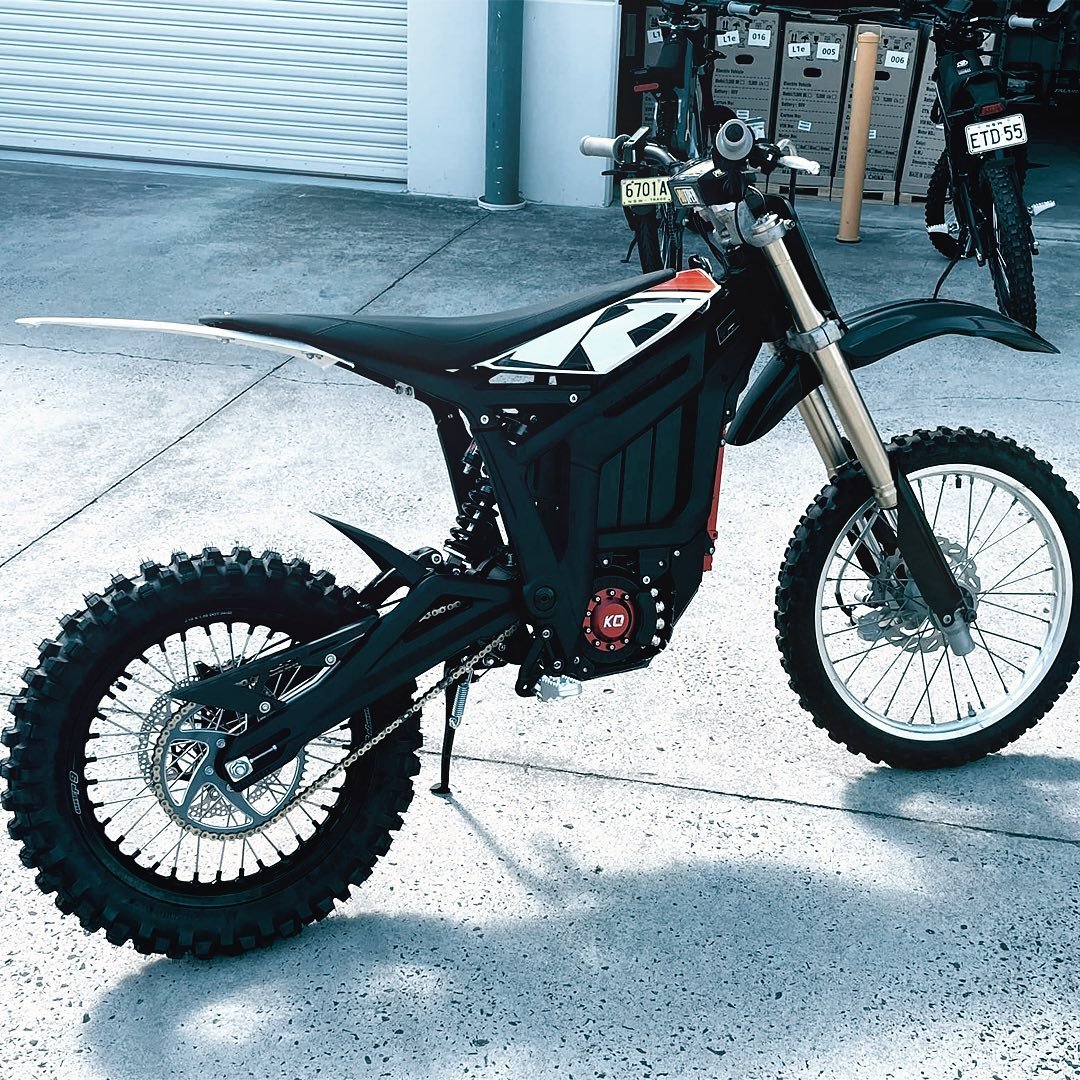
The Talaria Sting motor sits mid frame and drives the primary gearbox directly, so the job is more involved than a hub motor swap but within reach of a careful home mechanic with a torque wrench. Allow an afternoon, work on a stand with the battery removed, and bag the fasteners as they come off.
Removal
- Switch off, remove the key and lift the battery out of the frame. Never work on the phase leads with the battery connected.
- Drain the gearbox oil into a clean container so you can inspect it for metal.
- Disconnect the three phase leads and the sensor connector at the controller end, noting the phase order.
- Release the chain tension, remove the chain from the output sprocket and support the swingarm.
- Unbolt the Talaria Sting motor from the gearbox housing and frame mounts and lift it clear. It weighs about 7.0 kg and is awkward at arm’s length.
Installation
- Clean the gearbox mating face and fit a new seal or gasket where the motor meets the gearbox.
- Offer the complete unit up, engage the output with the gearbox and start every bolt by hand before tightening any.
- Tighten in a cross pattern to the torque values in your Talaria documentation with a calibrated wrench. Do not guess with aluminium threads.
- Reconnect the phase leads in the same order as before, then the sensor connector, and secure the harness away from the swingarm and the rear tyre.
- Refill the gearbox with fresh oil to the correct level, refit the chain and set the tension.
- Refit the battery, power up and check the display for faults before riding. Spin the rear wheel gently on the stand at low throttle and listen.
If the display shows a sensor or phase error after the swap, recheck the phase order first. A swapped pair of phases makes the Talaria Sting motor judder or run backwards, and it must be corrected before any load is applied.
Running in, gearbox oil and care
A new Talaria Sting motor does not need a formal running in period the way a petrol engine does, but the gearbox benefits from a gentle first outing. Ride the first few miles without full throttle from a standstill, then check the oil level and look for weeps at the new seal. Change the oil again after a short interval, because the fresh pairing sheds a little material as it beds in.
Ongoing care that protects the new unit
- Keep the phase connectors clean and dry, and check they are fully seated after any wash.
- Avoid directing a pressure washer at the motor seals. Rinse at low pressure and let the bike dry before storage.
- Watch the motor temperature on long climbs in hot weather. The Talaria Sting motor is air cooled and relies on airflow, so a slow, high load crawl heats it faster than a fast trail.
- Refresh the gearbox oil on schedule. Our Talaria oil change guide covers the interval, quantity and oil type.
Old motors belong with a metals recycler, not household waste.
Pairing the motor with a controller upgrade
Because the complete OEM Talaria Sting motor is wound to the factory’s higher KV specification, it is a sound base for an aftermarket controller. The factory FOC controller is rated for 92 percent peak efficiency and matched to stock current. Owners who want more phase current usually pair a new motor with the Nucular performance controller for the Sting MX3 and MX4, which lets the current limits and throttle map be tuned to the motor.
Two cautions apply. First, a road legal Sting L1e or L3e is type approved as a complete vehicle under Regulation 168/2013. A motor swap that returns the bike to factory specification is fine; a controller that raises the output is a modification you must declare and insure, and on an L1e it can change the vehicle class. Read the government’s guide to riding a motorcycle or moped before changing a registered bike.
Second, on an off road Sting MX, R or XXX, more current means more heat in the same 180mm air cooled housing, so set the controller’s temperature limit sensibly. Off road models remain private land only: they cannot be used on byways, bridleways, footpaths or pavements whatever motor is fitted. The Trail Riders Fellowship explains which routes are lawfully open to registered vehicles.
Frequently asked questions
Is the complete OEM motor the same as the motor fitted to a new Sting?
Yes. This is the factory specification Talaria Sting motor, built to the same higher KV wind with the same European sourced magnets and laser etched casing as the production line unit. It is supplied as a complete assembly rather than a bare motor, so it goes in exactly as the original did with nothing transferred across.
Does it fit both the Sting MX3 and the Sting R MX4?
The two generations use different motor types, so the complete unit is supplied to match the bike you tell us you have. An MX3 uses a PMSM motor with hall sensors and an MX4 uses an IPM motor with a magnetic encoder. Confirm your model when ordering and use the identification checks above if you are unsure.
Can I fit a Talaria replacement motor myself?
A competent home mechanic with a torque wrench, a stand and a clean workspace can do the job in an afternoon. The battery must be removed first, the gearbox drained and refilled, and the phase leads reconnected in the same order. If you are not confident with the phase and sensor wiring, have a workshop fit it.
Will a new motor make my Sting faster?
A like for like Talaria Sting motor restores performance; it does not raise it. If the old motor had lost magnet strength the bike will feel noticeably stronger, but that is recovery rather than an upgrade. Extra performance comes from a controller change, which has legal consequences on a registered road legal bike.
Is the motor covered by a warranty?
The complete OEM Talaria Sting motor is covered by our UK warranty, full terms on the warranty page. Fitting it with a controller that exceeds the factory current limits, or running it without gearbox oil, would fall outside normal use, so follow the fitting and care guidance in this guide.
Next steps
Order the complete OEM Talaria Sting motor with your model and year in the order notes and we will confirm the correct generation before it ships. UK mainland delivery, timescales confirmed at checkout. If you would rather talk it through first, use our contact page and tell us the symptoms you are seeing. For everything else that keeps a Sting on the trail, from chargers to controllers to wheel sets, browse the full Talaria parts range.
Buying this from The Talaria UK
Our service promise as a UK Talaria specialist.
- Checked before it shipsEvery bike is unboxed, inspected, torqued, charged and test run in our workshop before the courier is booked. You get a machine that is ready to ride, not a crate and a leaflet.
- Packed to arrive intactBikes travel in their factory crate with the fragile parts protected, and we tell you exactly what to check before you sign for it.
- UK mainland deliveryShipped across the UK mainland, with options, costs and timescales confirmed at checkout and tracking sent on dispatch.
- Answers from people who ride theseAsk which model suits your weight, your ground or your licence and you get an answer from someone who has set these bikes up, not a script.
- Parts on the shelfWe stock the batteries, chargers, controllers, motors, forks and wheels for what we sell, so a repair or an upgrade is a stock check rather than a long wait.
- Covered after you buyEvery bike is covered by our UK warranty, with the period for this model shown on this page and in your order confirmation, and claims handled by the team that inspected it.
Questions before you order? Contact us, or read the delivery guide, the warranty terms and finance options.
Related products
Talaria Batteries and Chargers
Talaria Parts
Talaria Parts
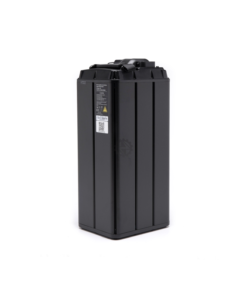
Talaria Batteries and Chargers
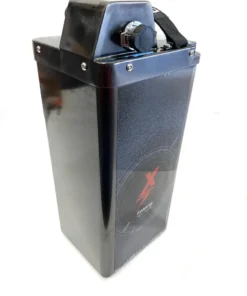
Talaria Batteries and Chargers
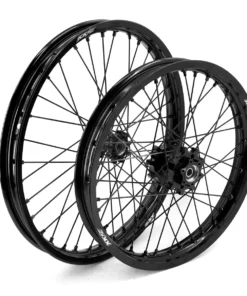
Talaria Parts
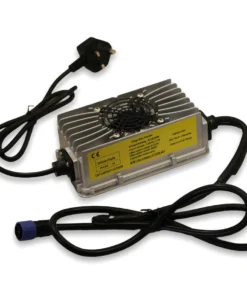
Talaria Batteries and Chargers
Talaria Parts